Independent information website. We are not WAVLINK and cannot access or control your extender. Use device addresses only while connected to your own compatible device.
Independent WiFi extender guides

waplogin.link Help for Compatible WAVLINK Devices

Choose the correct setup, local-login, model or troubleshooting guide for a compatible WAVLINK device. Start with the task you need instead of repeating a generic installation.

This website is educational. It does not provide a remote login and cannot see your network, passwords or device settings.

Quick setup path
  1. Power: start near the router.
  2. Connect: join the extender WiFi.
  3. Open: use the browser address bar.
  4. Configure: select your router network.
  5. Test: reconnect, then relocate.
Before typing an address

Why the local login page behaves differently

A supported setup address is served by the extender on your own network. It may work without public internet, but it normally will not work over mobile data or another WiFi connection.

If Google results appear, the address was searched instead of opened. If the page times out, confirm the extender WiFi, disable VPN or proxy routing, and check the gateway shown in the connected network details.

Follow the complete access checklist →

Safe setup checklist

  • Confirm the address in the device manual.
  • Use your own extender network.
  • Keep passwords off public forms.
  • Use official firmware only.
  • Change default admin credentials.
Complete browser setup overview

How a waplogin.link extender installation works from start to finish

A local setup address is only one part of the process. A reliable installation also depends on the temporary WiFi connection, the correct router password, the selected operating mode and final placement.

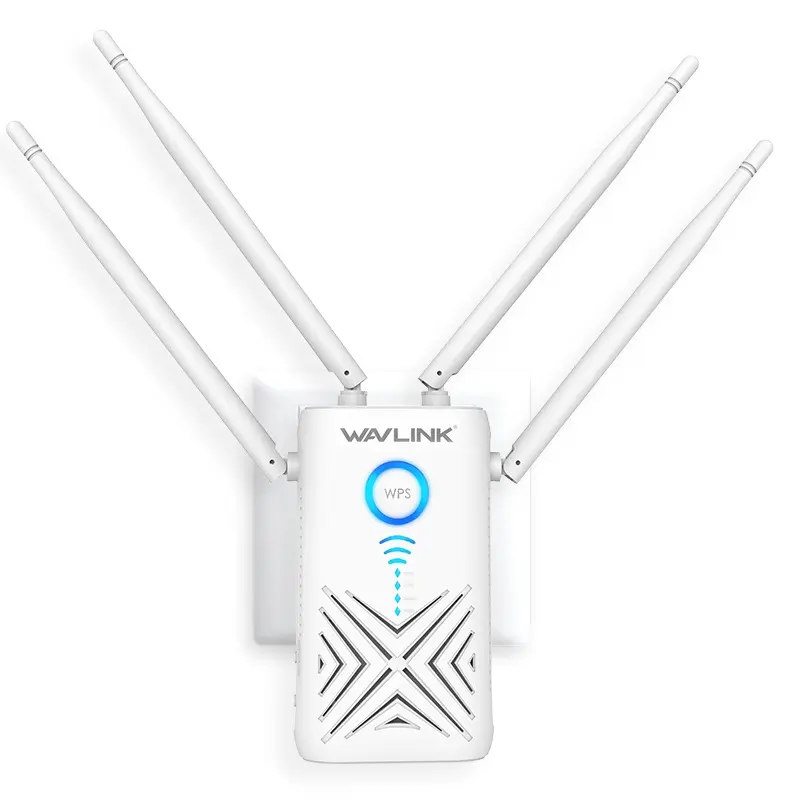
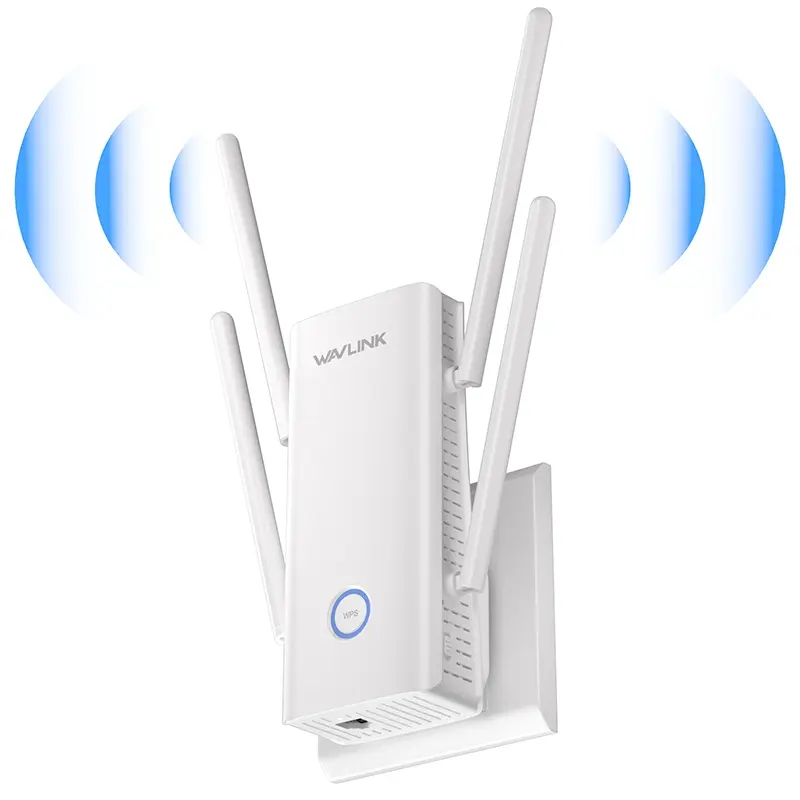
Phone and computer connected to a WAVLINK extender for local waplogin.link setup
Connect the setup phone or computer directly to the extender before opening its private management page.

1. Prepare the router and extender

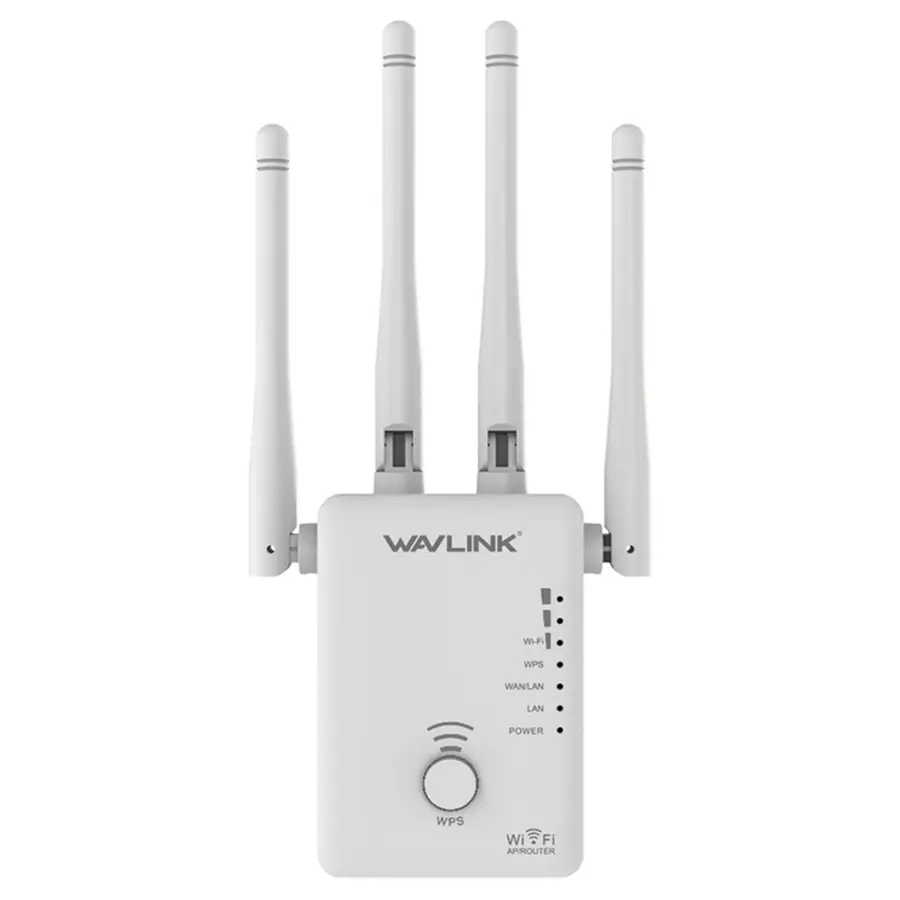
Confirm that the main router can load websites before changing the extender. Plug the extender into an outlet close to the router, allow startup to finish and keep the router’s exact WiFi name and password ready. If the model has a physical Repeater, AP or Router switch, choose the required role before opening the setup page.

2. Join the temporary setup network

Open WiFi settings on the phone or computer and select the factory SSID printed on the device label. A “no internet” warning is normal at this stage because the extender has not joined the router. Stay connected and temporarily disable mobile data, VPN and proxy routing so the browser does not bypass the local device.
Local access

Enter waplogin.link in the address bar

Type the supported address directly into the browser address field—not into a search engine. If it does not open, inspect the connected network for its Router or Default Gateway value and confirm the address in the manual for the exact hardware revision.

Wireless uplink

Select the correct host network

Choose the intended 2.4 GHz or 5 GHz router SSID and enter the router’s wireless password exactly. The administrator password protects the device dashboard; it is not automatically the same as the WiFi password used for the uplink.

Verification

Reconnect, relocate and test

After the restart, join the new extended SSID and test unrelated websites, video calling and the original weak-coverage room. Move the extender only while it can retain a dependable router signal. A full WiFi icon beside the extender does not prove its uplink is strong.

Use the exact model—not a generic “AC600” or “AC1200” instruction alone

Wireless classes describe approximate radio capability, not the buttons, ports, LEDs, power method or firmware used by every model. Select the full model number from the indoor or outdoor directory, then confirm any local address, reset timing and firmware file with the device label and official manufacturer documentation.

Outdoor WiFi hardware

Choose an outdoor guide by installation type

PoE-powered outdoor units require different cabling, antenna and weatherproofing steps from indoor wall-plug extenders.

Explore 10 outdoor models
Important: Confirm the complete model suffix, PoE voltage and local login address on the device label before following a guide.